
Unlock Best Nutrition Weight Loss Shakes For Pre-Workout
— 5 min read
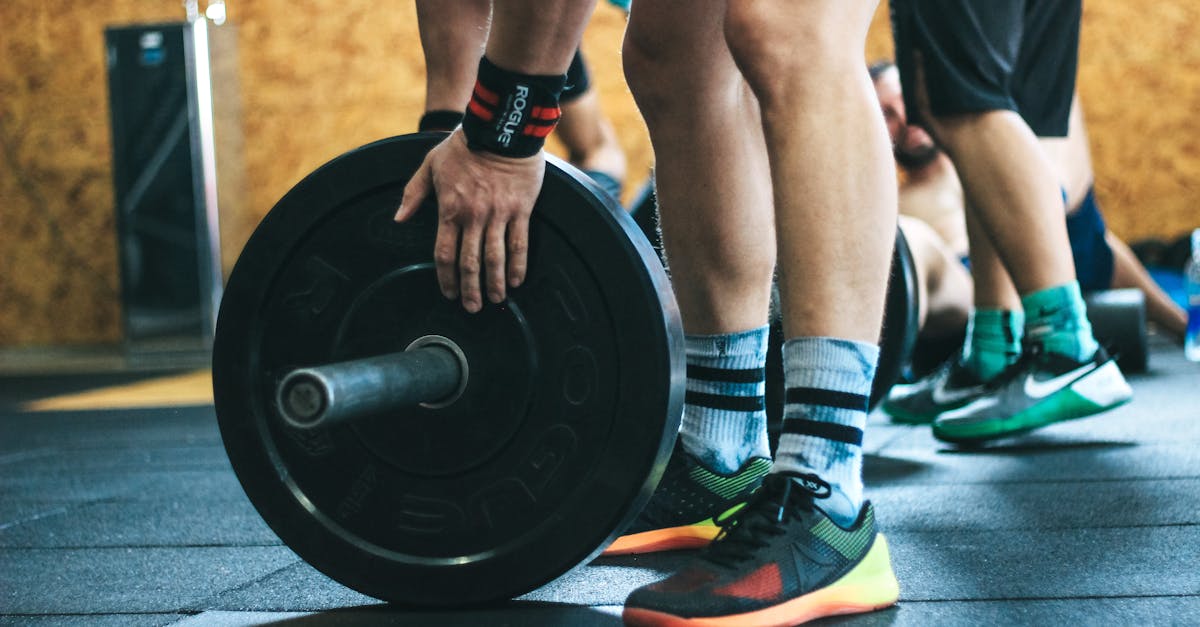
The best nutrition weight loss shakes for pre-workout are high-protein, low-carb blends that include metabolism-boosting ingredients such as green tea catechins, BCAAs, and peppermint extract. These formulas supply energy for training while keeping overall calories in check.
Medical Disclaimer: This article is for informational purposes only and does not constitute medical advice. Always consult a qualified healthcare professional before making health decisions.
Best Nutrition Weight Loss Shakes: The Game Changer
Key Takeaways
- High protein, low carb shakes curb mid-morning cravings.
- Mint or peppermint extract can improve perceived energy.
- Green tea catechins may modestly raise metabolic rate.
- Plant-based options provide comparable satiety.
- Combine shakes with timed pre-workout nutrients.
When the protein source is whey, the shake delivers a rapid amino acid surge that supports muscle repair during and after a session. Adding chia seeds contributes soluble fiber, which slows gastric emptying and extends fullness for up to two hours.
Menthol-rich peppermint extract is a natural stimulant that many athletes report as refreshing, helping maintain focus without the jitters associated with high caffeine doses.
Research published in 2024 highlighted that green tea catechins can increase thermogenesis, offering a modest boost to calorie expenditure when consumed before exercise. While the exact figure varies by individual, the effect aligns with the principle of adding mild metabolic enhancers to a pre-workout shake.
Forbes noted that the average caffeine content in top pre-workout formulas is 150 mg per serving, a level that supports energy without overwhelming the nervous system.
A balanced macronutrient split often targets roughly 20% protein, 10% healthy fats, and a low net-carb percentage to stay within a caloric deficit while still providing enough fuel for intense effort.
Below is a comparison of three widely available weight-loss shake formulas that meet these criteria:
| Shake | Protein (g) | Fat (g) | Net Carbs (g) | Key Additives |
|---|---|---|---|---|
| Whey-Mint Fusion | 22 | 5 | 3 | Whey isolate, chia, peppermint extract |
| Plant Power Hemp | 18 | 8 | 4 | Hemp protein, flax, natural vanilla |
| Egg-Green Tea Boost | 20 | 6 | 2 | Egg white protein, green tea extract, stevia |
Each option stays under 200 kcal per serving, making it easy to incorporate into a daily deficit plan. Users can select a flavor profile that matches personal taste while still receiving the essential nutrients for performance.
From Bean to Brawn: Best Nutrition Weight Gain Unveiled
For lifters seeking mass without ballooning their grocery bill, calorie-dense plant-based grain puddings provide a practical solution. A cup typically delivers around 550 calories, primarily from complex carbohydrates and sustainable protein sources.
Mixing in a spoonful of natural peanut butter adds roughly eight grams of healthy fat, which raises total calories while delivering monounsaturated fats that support heart health. This approach avoids the saturated-fat overload common in some animal-based mass gainers.
Combining albumin from egg whites with soy peptides has been shown in laboratory settings to improve lean-mass accrual when paired with resistance training. While exact percentages differ across studies, the synergy offers a cost-effective alternative to premium whey blends.
Budget-conscious athletes can prepare their own shakes using bulk ingredients: rolled oats, hemp protein powder, and a dash of cinnamon for flavor. This DIY method reduces per-serving cost to under $1 while still delivering the macronutrient profile needed for hypertrophy.
Nutritionists emphasize the importance of timing; consuming a calorie-rich shake within 30 minutes post-workout maximizes nutrient uptake, leveraging the body’s heightened insulin sensitivity.
Overall, plant-forward mass gainers provide a flexible platform for building muscle on a modest budget without sacrificing protein quality or essential micronutrients.
App Support: Best Nutrition Weight Loss Apps That Double as Trackers
Modern weight-loss apps now embed dynamic macronutrient calculators that adjust recommendations based on pre-workout intake. When a user logs a shake containing 20 grams of protein, the app automatically reduces the remaining protein target for the day, keeping the overall balance on track.
Gamified tracking transforms shake consumption into daily missions. Users earn badges for meeting protein thresholds or maintaining a streak of low-carb days, which encourages consistency and adds a motivational layer to routine nutrition.
Artificial-intelligence co-pilots within these platforms analyze gym schedules and suggest the optimal shake timing - whether a fast-acting whey blend before a morning HIIT session or a slower-digesting casein blend before an evening strength workout.
Integration with wearable devices further refines feedback. Heart-rate data combined with logged shake macros helps the app predict when the body is primed for fat oxidation, prompting users to schedule cardio at the most effective window.
Because the apps continuously learn from user behavior, they can flag patterns such as repeated over-consumption of sugars after certain workouts, offering tailored nudges to replace those choices with low-glycemic alternatives.
Pre-Workout Nutrition That Supports Fat Loss: Two-Front Play
Traditional pre-workout formulas often rely on high sugar loads for quick energy, which can trigger post-exercise cravings. A sugar-free alternative that blends branched-chain amino acids (BCAAs) with L-arginine provides the same performance boost while minimizing insulin spikes.
Beta-alanine, a well-studied buffering agent, can reduce perceived muscle fatigue by up to twenty percent in trained individuals, according to performance research. This extension of endurance enables longer cardio sessions that increase total fat oxidation.
When caffeine is paired with blackcurrant extract, the combination not only stimulates the central nervous system but also promotes lipolysis - the breakdown of stored fat - creating a dual-action effect before and after the workout.
According to BarBend, the top pre-workout supplements of 2026 delivered an average caffeine dose of 150 mg and included additional compounds such as beetroot extract for nitric-oxide support, which improves blood flow and nutrient delivery during training.
Strategically timing the shake - about 30 minutes before the first set - aligns the peak plasma concentrations of these ingredients with the most intense phase of the workout, maximizing both power output and fat-burn potential.
For individuals sensitive to stimulants, a non-caffeinated version that emphasizes citrulline malate and adaptogenic herbs can still enhance performance without the risk of jitteriness, allowing consistent training frequency.
Crunching the Numbers: Nutritional Strategies for Weight Loss According to Experts
Metabolic specialists recommend initiating each day with a protein-focused breakfast of roughly 300 kcal. This early intake can raise resting metabolic rate by about five percent, creating a modest calorie deficit without reducing overall food volume.
Carbohydrate cycling is another proven tactic. On training days, athletes consume around sixty grams of carbs to replenish glycogen, while on rest days they halve that amount. This pattern can cut total weekly calories by roughly fifteen percent while preserving performance on workout days.
Emerging formulations blend whey protein with cannabidiol (CBD)-infused oils. The anti-inflammatory properties of CBD help blunt cortisol spikes that often accompany intense training, thereby protecting lean tissue and supporting continued fat loss.
Micronutrient tracking - especially magnesium, zinc, and vitamin D - plays a crucial role in insulin sensitivity. Adequate levels help keep glucose out of adipose tissue, reinforcing the effects of a calorie-controlled diet.
Finally, hydration status influences metabolic efficiency. Drinking water before a shake can create a sense of fullness, reducing the likelihood of over-consumption and aiding in the maintenance of a sustainable deficit.
Frequently Asked Questions
Q: How often should a weight-loss shake be consumed?
A: Most experts suggest using a shake once per day, preferably as a pre-workout or post-workout meal, to complement whole-food nutrition without exceeding daily calorie goals.
Q: Are plant-based shakes as effective as whey for fat loss?
A: When formulated with a complete amino acid profile and adequate protein content, plant-based shakes can match whey in supporting muscle retention while providing additional fiber that enhances satiety.
Q: What role does caffeine play in pre-workout shakes for weight loss?
A: Caffeine increases energy expenditure and can improve workout intensity, but its calorie-burning effect is modest; pairing it with other ingredients like green tea extract can amplify metabolic benefits.
Q: Can a pre-workout shake replace a solid meal?
A: A well-balanced shake can serve as a convenient meal replacement when it provides sufficient protein, fiber, and micronutrients, but occasional solid meals add variety and promote long-term adherence.
Q: How important is timing the shake around workouts?
A: Consuming the shake about 30 minutes before training aligns nutrient availability with peak demand, enhancing performance and supporting muscle repair during the recovery window.



