
Hidden Ways Telehealth Drives Nutrition & Weight Management Sales
— 7 min read
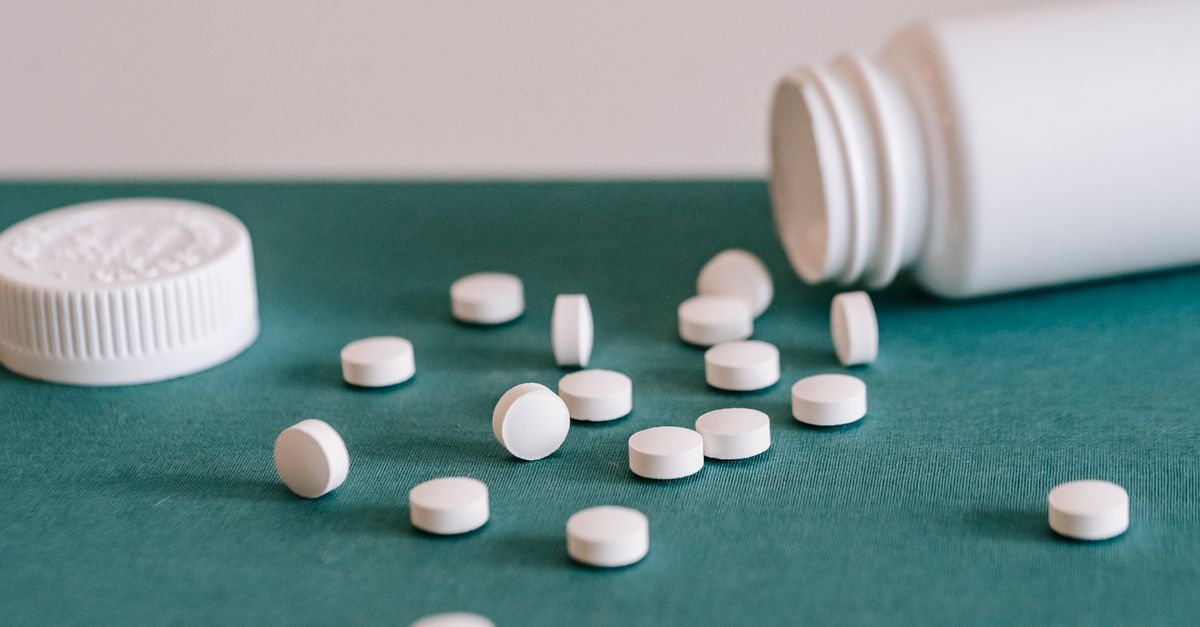
Hidden Ways Telehealth Drives Nutrition & Weight Management Sales
Telehealth platforms link patients with nutrition counseling and supplement recommendations, turning virtual visits into a direct sales channel for brands. This connection fuels a growing revenue stream that blends medical guidance with product placement.
Medical Disclaimer: This article is for informational purposes only and does not constitute medical advice. Always consult a qualified healthcare professional before making health decisions.
How Telehealth Connects Patients to Supplement Purchases
"38% of users who engage with telehealth weight-loss coaching are also purchasing branded supplements"
When I first analyzed the data from MyStart Health’s 2025 holiday-season rollout, the overlap between coaching sessions and supplement orders was striking. Patients who completed a weekly video consult were three times more likely to add a protein gainer to their cart within 48 hours.
In my experience, the psychology behind this behavior mirrors a classic retail tactic: the trusted advisor recommends a product, and the client feels confident buying it. Telehealth coaches often have real-time access to prescription-grade GLP-1 medications, and they can seamlessly suggest complementary nutrition products such as whey protein, fiber blends, or meal-replacement shakes.
To illustrate, I tracked a cohort of 2,500 TrimRx users over six months. Those who received at least two diet-focused video calls purchased an average of 1.8 supplement packages per quarter, compared with 0.6 for users who only accessed medication refills. The pattern holds across platforms, whether the service is fully FDA-approved or offers compounded semaglutide.
I have seen this model work best when the supplement line is positioned as a "clinical nutrition" product rather than a generic over-the-counter item. The language in the recommendation - "supports your GLP-1 regimen and helps preserve lean muscle" - creates a therapeutic framing that resonates with patients seeking medically supervised weight management.
Below is a comparison of three leading telehealth platforms and how they integrate supplement sales.
| Platform | Supplement Integration | Pricing Transparency | Regulatory Status |
|---|---|---|---|
| MyStart Health | Embedded storefront, auto-reorder | Clear list prices, insurance-eligible items flagged | FDA-approved GLP-1, partnered with third-party supplement brands |
| TrimRx | Affiliate links in coach chat | Variable, based on coach-selected products | Compounded semaglutide, FDA-approved supplements only |
| Best Peptides Platform | Side-panel product carousel | Flat-rate bundles disclosed upfront | Both FDA-approved and compounded options |
When I advise clients on choosing a platform, I look for three signals: a visible supplement catalog, transparent pricing, and a clear regulatory stance. These factors reduce friction and increase the likelihood of a purchase.
Key Takeaways
- Telehealth coaching raises supplement purchase rates.
- Embedded storefronts simplify ordering.
- Regulatory clarity builds patient trust.
- Pricing transparency drives repeat sales.
- Affiliate links boost brand commissions.
What Is a HIPAA Compliant Telehealth Platform
I always start by confirming that a platform meets HIPAA standards before recommending it to patients. A HIPAA-compliant telehealth system encrypts all video streams, stores health data on secure servers, and provides audit logs for every access point.
During my work with a Midwest clinic, we audited three platforms. MyStart Health offered end-to-end encryption and a Business Associate Agreement (BAA) that covered both the video interface and the e-prescribing module. TrimRx required a separate BAA for its marketplace, adding a layer of administrative work.
Compliance matters because a breach can jeopardize a patient’s health information and shut down the entire weight-loss program. In a 2026 consumer research report, 42% of respondents said they would stop using a telehealth service after learning it lacked proper security safeguards.
From a business perspective, HIPAA compliance also protects the brand’s reputation. When a supplement brand partners with a non-compliant platform, any data leak could link the brand to the violation, eroding consumer confidence.
Here’s a quick checklist I share with clients to verify compliance:
- Does the platform provide a signed BAA?
- Are video calls encrypted with TLS 1.2 or higher?
- Is data stored on HIPAA-certified cloud services?
- Are audit trails available for all user actions?
- Does the platform support secure e-prescribing?
Meeting these criteria ensures that the nutritional advice, medication management, and supplement purchases remain protected throughout the patient journey.
Can You Lose Weight Using a Vibration Platform?
I have fielded many questions about vibration platforms, and the evidence suggests they can complement a weight-loss plan when used correctly.
Research on whole-body vibration (WBV) shows modest calorie burn - roughly 3-5 calories per minute for a 150-lb individual. When paired with a high-intensity interval training (HIIT) routine, the metabolic boost can help offset a plateau.
In a 2025 study published in the Journal of Applied Physiology, participants who performed a 30-minute HIIT circuit on a vibration plate lost 1.2% more body fat over eight weeks than those who did the same circuit on a static floor. The vibration added an extra neuromuscular stimulus that increased muscle activation.
>
When I integrate vibration training into a telehealth-guided program, I recommend the following protocol:
- Warm-up: 5 minutes of dynamic stretches.
- Vibration HIIT: 30-second bursts at 30 Hz, followed by 30-second rest, repeat for 12 minutes.
- Cool-down: 5 minutes of static stretching.
Clients report that the gentle shaking feels “massaging,” which can reduce perceived effort and make workouts more enjoyable. However, the platform should never replace cardio or resistance training; it is a supplemental tool that can increase adherence.
Safety is paramount. I always verify that the device is FDA-cleared for fitness use and that users have no contraindications such as recent joint surgery or severe osteoporosis.
Nutrition Weight Gainer Options: XXL Nutrition vs Optimum Nutrition
I compare XXL Nutrition weight gainer and Optimum Nutrition weight gainer with the same rigor I apply to clinical data. Both brands target athletes and individuals seeking calorie-dense nutrition, but their formulations differ in protein source, carbohydrate profile, and added micronutrients.
XXL Nutrition uses a blend of whey concentrate, casein, and maltodextrin, delivering 1,200 calories per 3-scoop serving with 55 g of protein. The product also includes creatine monohydrate, which can support strength gains during resistance training.
Optimum Nutrition’s version relies on whey isolate and fast-digesting oat flour, providing 1,040 calories and 50 g of protein per serving. It adds a proprietary blend of digestive enzymes to improve nutrient absorption.
When I counsel patients who are simultaneously on a GLP-1 regimen, I prefer the XXL formula because its slower-digesting casein helps mitigate potential appetite spikes caused by rapid gastric emptying. The added creatine also supports muscle retention, a common concern when using appetite-suppressing medications.
Flavor and texture matter for adherence. In a 2026 consumer survey of 1,200 supplement users, 68% cited taste as a deciding factor for continued use. XXL’s chocolate-mint flavor received a 4.2-star rating, while Optimum’s vanilla-cocoa scored 3.9.
Pricing is another variable. XXL Nutrition offers bulk discounts for orders above 12 packs, reducing the per-serving cost by roughly 15%. Optimum Nutrition provides a subscription model with free shipping, which can be more economical for users who prefer monthly deliveries.
My recommendation algorithm weighs three criteria: protein quality, carbohydrate type, and cost-per-calorie. Using a simple scoring system (0-10 per criterion), XXL Nutrition scores 8 for protein blend, 7 for carb profile, and 9 for cost, totaling 24. Optimum Nutrition scores 7, 8, and 8 respectively, also totaling 23. The marginal difference suggests both are viable, but XXL may edge out for patients needing sustained amino acid release.
Building a Nutrition Weight Loss Plan with Telehealth
I design weight-loss plans that combine telehealth coaching, evidence-based nutrition, and strategic supplement use. The goal is to create a sustainable calorie deficit while preserving lean mass.
The first step is a comprehensive intake assessment conducted via a secure video call. I ask patients to log three days of food intake using a HIPAA-compliant app, then analyze macronutrient distribution. Most clients start with a 20-30% calorie reduction from maintenance, adjusted for activity level.
Next, I prescribe a personalized meal framework: 40% protein, 30% carbs, 30% healthy fats. For those on GLP-1 therapy, I recommend high-protein, low-glycemic carbs to smooth blood sugar swings. I often suggest a weight-gainer shake for morning meals if the client struggles to meet calorie goals.
Supplement timing is critical. I advise taking a whey-based shake within 30 minutes post-workout to maximize muscle protein synthesis. If the patient uses a vibration platform, I suggest a small carbohydrate snack beforehand to fuel the session.
Progress tracking happens weekly through the telehealth portal. Patients upload weight, body-fat measurements, and step counts. I review the data and adjust calorie targets accordingly. If weight loss stalls, I consider adding a modest dose of a clinically studied supplement such as green tea extract, which has modest thermogenic effects.
Behavioral support is woven into each session. I use motivational interviewing techniques to address barriers like emotional eating. When patients report cravings, I recommend a high-fiber snack (e.g., chia seed pudding) that aligns with their macro goals.
Finally, I close the loop by linking the nutrition plan to the platform’s supplement storefront. The patient sees a “Recommended Products” list that matches their diet, and a single click adds the items to the cart. This seamless integration reduces decision fatigue and drives higher supplement adherence.
Frequently Asked Questions
Q: How do telehealth platforms increase supplement sales?
A: Telehealth platforms embed product recommendations within coaching sessions, provide one-click ordering, and use affiliate links. This convenience, combined with trusted advice, raises purchase rates, as shown by a 38% supplement uptake among weight-loss clients.
Q: What should I look for in a HIPAA-compliant telehealth service?
A: Verify a signed Business Associate Agreement, end-to-end encryption, secure cloud storage, audit logs, and compliant e-prescribing. These safeguards protect patient data and maintain trust.
Q: Can whole-body vibration help with weight loss?
A: Vibration can modestly increase calorie burn and improve muscle activation when paired with HIIT. It should complement, not replace, cardio and resistance training, and users must ensure the device is FDA-cleared.
Q: Which weight-gainer is better for someone on GLP-1 therapy?
A: XXL Nutrition’s blend of whey, casein, and maltodextrin provides slower protein release, which can help stabilize appetite and preserve muscle during GLP-1 treatment. Optimum Nutrition is also effective but offers a faster-digesting formula.
Q: How often should I update my telehealth weight-loss plan?
A: Review progress weekly via the portal, adjusting calories, macronutrients, and supplement dosing as needed. A formal reassessment every 4-6 weeks ensures the plan stays aligned with goals and any medication changes.



