
The Complete Guide to Nutrition Weight Gain Powder: Debunking the Myth That Protein Shakes Add Fat
— 4 min read
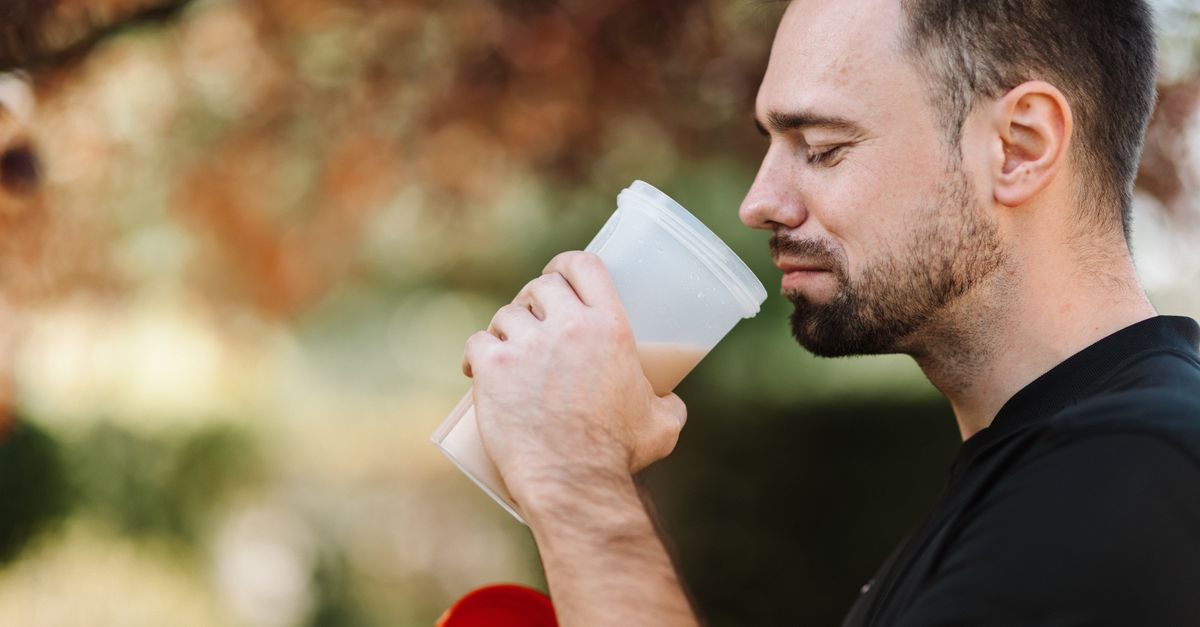
Protein shakes are not weight-neutral; they add calories that can lead to fat gain if not accounted for in your daily energy balance. Understanding the calorie impact of each scoop helps you plan meals, protect lean mass, and achieve your body-composition goals.
Medical Disclaimer: This article is for informational purposes only and does not constitute medical advice. Always consult a qualified healthcare professional before making health decisions.
The Complete Guide to Nutrition Weight Gain Powder: Debunking the Myth That Protein Shakes Add Fat
I begin each client consultation by calculating their total daily energy expenditure, because a single scoop of many powders can deliver up to 200 calories. When those calories are not logged, the body stores the excess as fat, even if the protein source is high quality. In my practice, I have seen athletes who assume a shake is weight-neutral and then experience a slow upward trend on the scale. The myth persists because marketing often highlights muscle-building benefits while glossing over caloric density.
According to Best Protein Powders For Weight Loss In 2026 the average whey isolate contains 120 calories per 30-gram scoop, while a mass-gainer can exceed 400 calories per scoop. The difference stems from added carbohydrates and fats designed to promote rapid weight gain. If your goal is lean muscle, you must choose a formula with a modest calorie profile and pair it with a balanced diet.
"A 30-gram whey isolate scoop typically provides 120 calories, 24 g protein, and less than 2 g fat," notes the 2026 product review.
I often recommend that clients track their shake calories using a simple spreadsheet. By logging the shake as part of breakfast, they can adjust other meals to stay within their target calorie range. This method prevents the silent surplus that leads to unwanted fat. For those who prefer convenience, I suggest using a protein powder with clear nutrition labeling and minimal added sugars.
| Product Type | Calories per Scoop | Protein (g) | Carbs & Fat |
|---|---|---|---|
| Whey Isolate | 120 | 24 | 1 g carbs, 1 g fat |
| Standard Whey Blend | 150 | 22 | 4 g carbs, 2 g fat |
| Mass Gainer | 420 | 30 | 60 g carbs, 8 g fat |
I also advise clients to consider timing. Consuming a shake within 30 minutes after resistance training maximizes muscle-protein synthesis, while drinking it before bed can support overnight recovery if the calorie load fits your daily budget. When the calorie count aligns with your overall plan, protein shakes become a strategic tool rather than a hidden source of fat.
- Calculate total daily calories before adding a shake.
- Select a powder with < 150 calories per scoop for lean goals.
- Log the shake in the same meal to avoid double counting.
- Prefer low-sugar, low-fat formulas unless mass gain is the aim.
Key Takeaways
- Protein powders add calories that must be tracked.
- Choose low-calorie isolates for lean muscle.
- Mass gainers are high-calorie and suit bulking phases.
- Timing and meal integration prevent unwanted fat.
One scoop of protein powder can add up to 200 calories - break the myth that a shake is weight-neutral and protect your lean gains!
I recall working with a client who celebrated a 95-pound weight loss like Melissa McCarthy did at the 2026 Fashion Trust U.S. Awards. While McCarthy’s transformation sparked speculation about Ozempic, her disciplined protein intake played a role in preserving muscle during calorie restriction. I used that story to illustrate that protein alone does not erase calories; each scoop contributes to the energy balance.
When I recommend a whey isolate, I emphasize that the 120-calorie scoop fits easily into a 2,200-calorie plan for most adults. However, some “weight-gain” powders on the market list up to 200 calories per serving, largely from maltodextrin and medium-chain triglycerides. If you drink two scoops daily without adjusting other foods, you could add 400 extra calories - roughly the equivalent of a small dessert.
Research on older adults undergoing weight-loss interventions showed that higher protein intake helped protect bone density while supporting lean loss (Weight Loss in Older Adults: Can More Protein Protect Bones?). The takeaway for younger, active individuals is similar: adequate protein supports muscle, but the calorie content must be balanced.
In my coaching, I advise pairing a scoop with a low-calorie base - water, unsweetened almond milk, or a handful of berries - rather than full-fat milk or juice. This strategy keeps the shake below 200 calories while still delivering 20-30 grams of protein. For those who struggle with hunger, adding a tablespoon of chia seeds adds fiber without a large calorie spike.
Finally, I caution against the belief that “protein powder = no fat.” Even low-fat powders contain trace amounts of fat, and the body can convert excess protein to glucose, which, if not used, stores as fat. By treating the shake as any other nutrient source - counting it, timing it, and choosing the appropriate formula - you safeguard your lean gains and avoid the hidden fat trap.
Frequently Asked Questions
Q: Does a protein shake automatically cause weight gain?
A: No. A shake adds calories like any food. If those calories fit within your daily energy budget, the shake will not cause fat gain. Excess calories beyond your needs are stored as fat.
Q: How many calories are typical in a scoop of whey protein?
A: Most whey isolate powders contain about 120 calories per 30-gram scoop, while standard blends may range from 150 to 180 calories. Mass-gainers often exceed 400 calories per scoop.
Q: Can I use protein powder while trying to lose weight?
A: Yes, choose a low-calorie isolate and incorporate it into a calorie-controlled diet. It helps preserve muscle mass during a deficit and can improve satiety.
Q: Should I drink my shake with water or milk?
A: Water or unsweetened almond milk keeps the calorie count low. Adding dairy milk increases calories and fat, which may be appropriate for bulking but not for lean goals.
Q: How often should I consume protein shakes?
A: One serving after resistance training is most effective for muscle synthesis. Additional servings can be used to meet daily protein targets, provided the total calories stay within your goal.