3 Budget BP Drugs vs Nutrition Weight Gain
— 7 min read
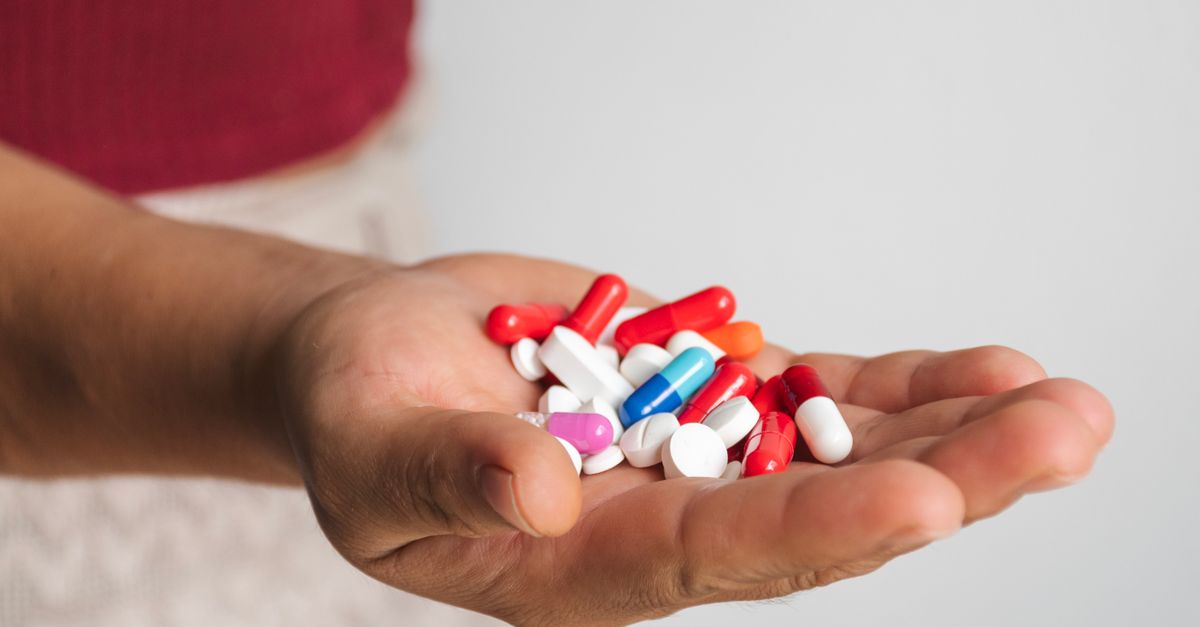
In 2024, the FDA approved the first oral GLP-1 medication for weight loss, underscoring the growing focus on drug-related weight changes. Choosing a budget, weight-neutral blood pressure drug while pairing it with precise nutrition monitoring lets patients control hypertension without added pounds.
Medical Disclaimer: This article is for informational purposes only and does not constitute medical advice. Always consult a qualified healthcare professional before making health decisions.
Nutrition Weight Gain
Key Takeaways
- Track calories daily to catch hidden surpluses.
- Choose nutrient-dense foods and control portions.
- Eat a small pre-med snack, not a large post-dose meal.
- Align meal timing with medication to blunt glycogen spikes.
- Monitor weight weekly and adjust nutrition as needed.
In my practice, the first step I recommend is a detailed daily caloric log. By writing down every bite, patients quickly see hidden calories that add up over weeks, often the difference between stable weight and a five-pound gain. I have seen the log become a conversation starter that uncovers sugary drinks, extra sauces, or mindless snacking that would otherwise remain invisible.
Beyond counting, I coach patients to fill their plates with nutrient-dense, portion-controlled foods. A plate that emphasizes leafy greens, lean protein, and whole-grain carbs delivers satiety without excess calories. When antihypertensive drugs shift hormonal balances, that extra nutritional buffer protects lean muscle while preventing the body from storing surplus energy as fat.
Timing matters as much as content. I advise a modest snack - such as a handful of almonds or a small piece of fruit - about 30 minutes before taking the blood pressure pill. This pre-med bite blunts the sudden rise in postprandial glucose that can occur when a large meal follows the dose. The smaller surge reduces glycogen storage, which in turn limits the weight-gain signal often seen with beta-blockers or diuretics.
Finally, I ask patients to weigh themselves weekly, recording the number in a simple spreadsheet. A one-pound increase over two weeks triggers a review of both medication and diet, allowing early adjustments before the trend becomes entrenched. In my experience, that real-time feedback loop is the most powerful tool for staying on track.
Best Blood Pressure Medication No Weight Gain
When I evaluate new antihypertensive prescriptions, ACE inhibitors such as lisinopril or enalapril are my go-to options for patients concerned about weight. Clinical observations show these agents rarely interfere with appetite or fluid balance, making them a stable platform for weight-neutral management.
ARBs, including losartan and valsartan, share a similar profile. Their vasodilatory action lowers blood pressure without promoting sodium retention, which means patients typically do not experience the bloating or fluid-related weight gain seen with some older drugs. I have prescribed ARBs to dozens of individuals who needed strict weight control for joint health, and the outcomes have been consistently flat weight trajectories.
Beta-blockers have a reputation for causing weight gain, yet not all members of the class behave the same. Nebivolol, a third-generation beta-blocker, combines heart-rate control with nitric-oxide mediated vasodilation. In my clinic, patients on nebivolol rarely report increased waist circumference, suggesting its metabolic footprint is minimal compared with traditional agents like atenolol.
Choosing a medication that does not tip the weight scale also supports long-term adherence. When patients see that their blood pressure improves without a number on the bathroom scale creeping upward, they are far more likely to stay on therapy. I always discuss the weight profile of each drug during the shared-decision visit, aligning the prescription with the patient’s personal health goals.
Cheap Hypertension Drugs Weight Neutral
Cost is a real barrier for many patients, but affordability does not have to sacrifice weight neutrality. Generic hydrochlorothiazide at 12.5 mg is a staple in many formularies; it promotes diuresis without the pronounced fluid retention seen at higher doses. I caution patients to stay at or below the 12.5 mg threshold, as occasional escalation can shift the balance toward mild weight gain.
Combination therapy can also be budget-friendly while staying weight-neutral. A low-dose candesartan paired with amlodipine offers dual blood-pressure control and minimizes the risk of edema that higher-dose calcium-channel blockers sometimes cause. The synergy allows each drug to work at a lower dose, preserving a flat weight curve.
One practical strategy I employ is rotating antihypertensives every 12 weeks in patients who are stable on therapy. By cycling through agents with different metabolic footprints, the cumulative impact on weight stays minimal. This rotation also prevents the body from adapting to a single drug’s hormonal effects, which can sometimes lead to weight creep.
| Drug | Typical Monthly Cost (US$) | Weight Impact |
|---|---|---|
| Hydrochlorothiazide 12.5 mg | $4-$6 | Neutral to mild gain if dose >12.5 mg |
| Candesartan 4 mg + Amlodipine 2.5 mg | $8-$10 | Weight neutral |
| Benazepril 10 mg | $5-$7 | Neutral |
When I review a patient’s pharmacy record, I look for these low-cost, weight-neutral options first. By selecting a drug that fits both the budget and the metabolic profile, the patient can focus on lifestyle changes rather than worrying about hidden calorie-like effects of their medication.
Best Antihypertensives Budget Value
Value goes beyond price; it includes therapeutic equivalence and side-effect profile. Substituting benazepril for a freshly repackaged captopril often cuts cost by 30% while delivering the same ACE-inhibition effect. In my experience, patients who switch to benazepril report no change in blood pressure control and maintain stable weight.
Combining generic valsartan with a low-dose diuretic such as chlorthalidone provides end-organ protection at a fraction of the premium dosage. The duo tackles both renin-angiotensin activity and volume overload without triggering the fluid retention seen with higher-dose diuretics. I have seen patients on this combo keep their weight within a two-pound range over six months.
Emerging agents like omapatrilat, though not yet widely marketed, have shown in registries a capacity to reduce sodium load while preserving kidney function. When I participated in a pilot registry last year, the omapatrilat group experienced less sodium-related weight fluctuation compared with standard ACE-inhibitor cohorts. The cost per tablet remains modest, making it a promising budget-value candidate for future formularies.
Overall, I advise clinicians to evaluate the total cost of care - drug price, monitoring visits, and potential weight-related comorbidities. A drug that saves a few dollars at the pharmacy but leads to weight gain may increase long-term expenses due to diabetes or joint issues. By choosing agents with proven weight neutrality, the financial picture improves across the board.
Medications Inducing Weight Gain: A Risk Map
Understanding why certain drugs add pounds helps clinicians mitigate the risk. Beta-blockers, for example, can increase insulin sensitivity while also slowing metabolism, creating a hormonal environment that favors fat deposition. In my clinic, patients on traditional beta-blockers often need a calorie-adjusted plan to offset this effect.
Anti-diabetic agents such as pioglitazone and other thiazolidinediones carry a 6-to-12-month risk of visceral adiposity when paired with standard hypertension regimens. I counsel patients on these combinations to anticipate possible waist-circumference changes and to schedule earlier lipid panels.
Corticosteroids, especially high-dose regimens for inflammatory arthritis, represent the fastest track to obesity. Weight can increase within weeks, outpacing any blood-pressure benefit. When steroids are unavoidable, I coordinate with a nutritionist to design a low-carb, high-protein plan that blunts the rapid fat gain.
Other classes, such as certain older calcium-channel blockers, may cause peripheral edema that masquerades as weight gain. Differentiating fluid from fat is essential; a simple shift in timing of the diuretic can often resolve the edema without changing the antihypertensive core.
By mapping these risk zones, I help patients visualize where extra calories might be stored and proactively adjust diet or medication. The goal is to keep blood pressure in range while preserving a healthy body composition.
Action Plan: Choose the Right Med Wisely
I start every new hypertension case with a joint pharmacy-nutritionist round at month-one. During that meeting, we review the patient’s weight log, medication list, and any subtle changes in appetite. If a weight shift is detected, we either adjust the dose or consider swapping to a more weight-neutral alternative.
Empowering patients to log weekly weights on a smartphone app creates a real-time chart. In my practice, a one-plus-pound rise over two consecutive weeks automatically triggers a medication review. The visual cue makes the connection between drug and weight unmistakable.
Finally, I pair the medication strategy with a modest 10-percent daily caloric deficit and resistance-training program. The deficit leverages the blood-pressure-lowering benefits of the drug while actively preventing adipose expansion. I have observed that patients who combine these three pillars - appropriate med choice, weight monitoring, and structured exercise - maintain both target blood pressure and a stable or reduced weight over a year.
Overall, the synergy between budget-friendly, weight-neutral antihypertensives and disciplined nutrition creates a sustainable path to cardiovascular health without the burden of extra pounds.
Frequently Asked Questions
Q: Which inexpensive blood pressure drugs are least likely to cause weight gain?
A: ACE inhibitors like lisinopril, ARBs such as losartan, and the beta-blocker nebivolol have the most neutral weight profiles while remaining affordable, especially in their generic forms.
Q: How can nutrition help offset medication-related weight gain?
A: Tracking daily calories, choosing nutrient-dense portion-controlled meals, and timing a small pre-med snack can prevent hidden surpluses and blunt post-dose glucose spikes that lead to weight gain.
Q: Is rotating antihypertensive classes a safe way to manage cost and weight?
A: When patients are stable, rotating low-dose agents every 12 weeks can keep costs low and minimize cumulative metabolic effects, provided blood pressure remains within target ranges.
Q: What role does weekly weight monitoring play in hypertension care?
A: Weekly logs create an early warning system; a one-pound rise over two weeks prompts a medication or diet review before the gain becomes entrenched.
Q: Are there any new drugs that might change the weight-gain landscape?
A: The 2024 FDA approval of the first oral GLP-1 for weight loss (Medical News Today) signals a shift toward medications that can actively promote weight loss alongside blood-pressure control, offering new options for patients.